Viking Introduces the World’s First Hydrogen-Powered Cruise Ship

Viking has announced the world’s first hydrogen powered cruise ship, a breakthrough that could transform how cruise vessels operate in environmentally sensitive destinations.
The new vessel, Viking Libra, is currently under construction at Fincantieri’s shipyard in Ancona, Italy, and is scheduled for delivery in late 2026.
Designed to operate using hydrogen fuel cells, the new ship represents a major step forward in the cruise industry’s efforts to reduce emissions and operate more sustainably. For travelers who care about exploring the world responsibly, it is an exciting development that could shape the future of cruising.
A Familiar Viking Ocean Ship Experience
Despite the groundbreaking propulsion technology, Viking Libra will feel very familiar to guests who have sailed with Viking before. The ship will follow the same elegant design that defines the Viking ocean fleet.
Like its sister ships, Viking Libra will carry approximately 998 guests in 499 staterooms and measure about 54,300 gross tons. Guests can expect the same Scandinavian-inspired design, spacious public areas, and destination-focused itineraries that Viking has become known for.
In other words, the onboard experience will remain unmistakably Viking — refined, comfortable, and focused on cultural exploration.
How Hydrogen Propulsion Works

Instead of relying solely on traditional marine fuels, Viking Libra will use liquefied hydrogen stored onboard. This hydrogen will power advanced fuel cells that generate electricity for propulsion and the ship’s onboard systems.
The fuel cell system can produce up to six megawatts of power, allowing the ship to operate with zero emissions when running on hydrogen. This technology represents a major milestone for large ocean-going vessels.
Hydrogen fuel cells produce electricity through a chemical reaction between hydrogen and oxygen. The only byproducts are water and heat, making the system dramatically cleaner than conventional marine engines.

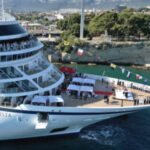
OUR PHOTO FROM THE LOEN SKYLIFT HIGH ABOVE THE NORDFJORD
Opening the Door to Sensitive Destinations
One of the most important benefits of hydrogen propulsion is the ability to operate in environmentally sensitive regions.
That matters even more as destinations tighten environmental rules.
Carol and I captured this view from the Loen Skylift during one of our visits to the Norwegian fjords.
In Norway, authorities originally planned to require zero-emission operations in parts of the country’s iconic fjords on a much earlier timeline, but later delayed the requirement for larger vessels until 2032. As we shared in our article, Cruise Ban Delayed: Norwegian Fjords Update, the direction is still clear: cleaner cruising is coming, even if the transition will take more time.
Many destinations around the world are introducing stricter emissions regulations to protect fragile ecosystems and historic ports. Hydrogen-powered vessels could allow cruise ships to access these locations while significantly reducing their environmental footprint.
This technology may be particularly valuable in regions such as the Norwegian fjords, the Arctic, Antarctica, and protected coastal areas where environmental stewardship is essential.
A Second Hydrogen Ship Already Planned
Viking is not stopping with just one hydrogen-powered vessel. A second ship using the same propulsion system, Viking Astrea, is already under construction and scheduled to join the fleet in 2027.
Both ships are part of Viking’s long-term fleet expansion strategy. The company expects its ocean fleet to continue growing steadily in the coming years while maintaining the intimate, small-ship experience that many travelers prefer.
A Look at the Future of Cruising
The introduction of hydrogen-powered ships signals a broader shift within the cruise industry. As shipbuilders and cruise lines explore new propulsion technologies, travelers can expect to see more vessels designed to operate with lower emissions and improved environmental performance.
For Viking guests, however, the most important thing will remain the same: thoughtfully designed ships, immersive itineraries, and the opportunity to explore the world in comfort.
With Viking Libra scheduled to debut in 2026, the future of cruising may soon become significantly cleaner — while still delivering the same remarkable travel experiences Viking is known for.
If you’d like to sail aboard the new Viking Libra or Astrea, click the links to the left and scroll down the page for itineraries that these ships sail.
Planning Your Trip With Roaming Boomers Travel Services

As Viking continues to lead the cruise industry with innovations like the upcoming hydrogen-powered ocean ships, now is an excellent time to explore what makes Viking such a compelling choice for travelers who value destination-focused cruising, elegant ships, and thoughtful itineraries.
At Roaming Boomers Travel Services, Viking is one of our specialties.
In fact, we are proud to be the number three Viking booking travel advisors in the world, giving us deep familiarity with Viking’s ships, itineraries, and onboard experience.
Because of our long-standing relationship with Viking, we’re able to help you choose the right ship, the best stateroom category, and the most rewarding itinerary—whether you’re considering a Viking river cruise, ocean voyage, or expedition journey.
For more information or to book a Viking river, ocean, or expedition cruise, please call (480) 550-1235 or submit our online information request by CLICKING HERE. We’ll be happy to assist you personally.
If you enjoyed this article, sign up for our travel newsletter to keep abreast of our best travel tips, on-location reviews, exclusive travel offers, group travel events, and much more.

This article was written with the aid of Perplexity AI, Grok, or ChatGPT. Roaming Boomers Travel Services is an independent affiliate of Cadence and a Virtuoso® member. CST#201120-40
The post Viking: World’s First Hydrogen-Powered Cruise Ship appeared first on The Roaming Boomers